Ultimate Lombok Travel Guide 2026: Everything You Need to Know
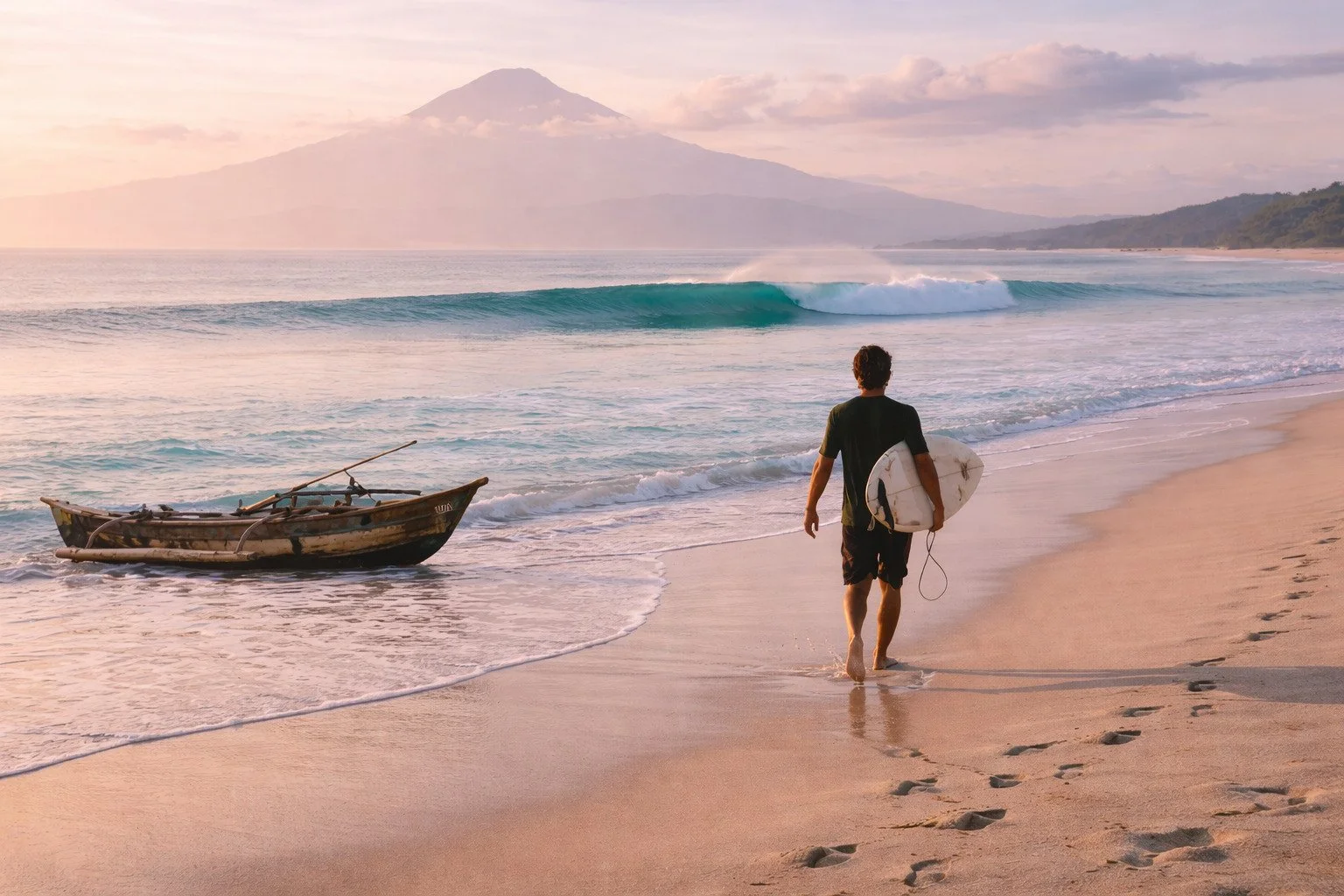
Complete Lombok travel guide 2026: discover the best beaches, Mount Rinjani treks, where to stay, budget tips, and cultural insights for Indonesia’s most authentic island paradise.
Lombok Travel Guide 2026: Everything You Need to Know Before You Visit
Lombok sits in West Nusa Tenggara province, measuring roughly 80km by 70km — slightly smaller than Bali. Home to 3.4 million people, with 85% belonging to the indigenous Sasak ethnic group, this island offers a distinctly different experience from its famous neighbour Bali.
For travellers wondering whether to visit Lombok Indonesia, the appeal is simple: better beaches, fewer crowds, stronger surf, more authentic local culture, and a version of island travel that still feels grounded rather than overbuilt.
This Lombok travel guide covers the practical things people actually need to know before visiting: when to go, how to get there, how to get around, where to stay, what to do, what it costs, how to stay safe, and how to respect the local culture once you arrive.
If you’re still deciding between the two islands, read our full comparison of Lombok vs Bali
Quick Overview
If you’re short on time, here’s the simple version.
Lombok is best for
Quieter beaches
Surfing
Mount Rinjani trekking
Waterfalls
Wotorbike adventures
Travellers who prefer less crowded destinations
Best area for first-time visitors
Kuta Lombok
Best time to visit Lombok
Dry season: April to October
Closest airport
Lombok International Airport (LOP)
Best experiences
Mount Rinjani
South coast beach-hopping
Surf in Kuta, Gerupuk, and Desert Point
Secret Gili Islands
Tetebatu and waterfalls
Sasak village culture
Is Lombok worth visiting?
Yes. If you want a more relaxed, natural, and less commercial island than Bali, Lombok is one of the best places to travel in Indonesia.
Table of Contents
Why Visit Lombok?
Best Time to Visit Lombok
How to Get to Lombok
Getting Around Lombok
Where to Stay in Lombok
Top Experiences and Things to Do in Lombok
Budget and Costs in Lombok
Safety Tips for Visiting Lombok
Cultural Etiquette in Lombok
Final Travel Tips
1. Why Visit Lombok? The Island at a Glance
Lombok sits in West Nusa Tenggara province, measuring roughly 80km by 70km — slightly smaller than Bali. Home to 3.4 million people, with 85% belonging to the indigenous Sasak ethnic group, this island offers a distinctly different experience from its famous neighbour Bali.
What Makes Lombok Special
Mount Rinjani (3,726m): Indonesia’s second-highest volcano offers one of Southeast Asia’s most challenging and rewarding treks
Superior beaches: Travellers consistently rate Lombok’s beaches above Bali’s, with less crowding and clearer waters
Authentic culture: Strong Sasak traditions in weaving, music, dance, and architecture remain vibrant in village life
World-class surfing: From beginner-friendly Selong Belanak to legendary Desert Point’s 300-meter barrels
The Lombok Loop: Indonesia’s answer to Vietnam’s Ha Giang Loop — a 4-day guided motorbike adventure rated as one of Southeast Asia’s best experiences
Secret Gili Islands: Untouched alternatives to the famous, and crowded, Gili Trawangan, Air, and Meno
Better value: Accommodation, food, and activities cost 20–40% less than comparable Bali experiences, although this is slowly changing as Lombok grows in popularity
The island’s predominantly Muslim culture, contrasting with Hindu Bali, creates a distinctly different atmosphere. The Sasak people are warm and welcoming, though more reserved than Balinese until you connect with them. This cultural difference, combined with less commercial development, gives Lombok that coveted “real Indonesia” feeling that Bali lost decades ago.
If beaches are your priority, see our full guide to the best beaches in Lombok
If surfing is part of your trip, read best surf spots in Lombok
2. When to Visit Lombok: Best Times and Seasons
Lombok’s tropical climate brings hot weather year-round, typically around 26–31°C, but choosing the right season dramatically impacts your experience.
Dry Season (April to October) – Best Overall
The dry season delivers Lombok at its finest. Expect sunny skies, minimal rainfall, and ideal conditions for outdoor adventures. Mount Rinjani’s trekking trails open from April through November, with May and June offering the sweet spot: perfect weather before peak-season crowds and prices hit in July and August.
Dry Season Highlights
Perfect for Mount Rinjani treks, beach activities, and water sports
Calm seas for boat trips to the Gili Islands
Clear visibility for photography and diving
Best surf conditions on the south coast
Trade-Offs
Higher accommodation prices, especially July–August
More crowded beaches and popular attractions
Wet Season (November to March)
Don’t write off the wet season entirely. Rain typically arrives in brief, heavy afternoon or evening downpours rather than all-day drizzle. Mornings often shine with sunshine, giving you time for beach visits and activities. The landscape transforms into lush, vibrant green, and waterfalls cascade at full power spectacular for photography.
Wet Season Benefits
30–40% lower accommodation prices
Dramatically fewer tourists, which means peaceful beaches
Waterfalls at their most impressive
East coast surf spots like Ekas Bay can fire during wet season
Important Limitations
Mount Rinjani closed January–March for safety
Rough seas may cancel boat trips
Potential flooding in low-lying areas
Shoulder Seasons (April–May and September–October) – The Sweet Spot
These months deliver the best of both worlds: excellent weather without peak-season crowds or prices. April and May transition from wet to dry with fantastic conditions and green landscapes. September to November brings ideal snorkeling conditions as plankton settles and visibility peaks.
For value-conscious travellers seeking great weather, shoulder seasons are hard to beat.
3. Getting to Lombok: Your Transportation Options
Flying to Lombok International Airport (LOP)
Lombok International Airport in Praya sits around 30 minutes from Kuta and 90 minutes from Senggigi. The modern facility offers Visa on Arrival services and straightforward arrival procedures.
Domestic Flight Options
From Bali: 30–45 minutes, 5+ daily flights via Lion Air, Wings Air, and TransNusa
Cost: $35–100 USD one-way, depending on timing
Also connected to Jakarta and Surabaya with multiple daily flights
International Direct Flights
Kuala Lumpur: AirAsia and Batik Air, 4x weekly, approximately 3 hours
Singapore: Scoot Airlines, 4x weekly, approximately 3 hours
New in 2026: Direct flights to Darwin, Australia launching April 2026
Boat from Bali: Fast Boat or Public Ferry
Fast Boat (Most Popular)
Fast boats run from Padang Bai in Bali to Bangsal Harbor in Lombok, or via the Gili Islands, in roughly 1.5–3 hours. Multiple daily departures from operators such as Gili Getaway, Eka Jaya, and Blue Water Express generally cost $15–42 per person.
Book through 12Go or directly with operators, and always book ahead during high season.
Important: Seas can get rough. Check weather forecasts, and don’t book suspiciously cheap operators — your safety matters more than saving $10.
Public Ferry (Budget Option)
The Padang Bai to Lembar public ferry costs around $3–5 and runs 24/7 with hourly departures. The journey takes 4–8 hours depending on conditions and can transport vehicles.
However:
facilities are basic
comfort is minimal
Lembar Port is over an hour from most tourist areas
Budget travellers who aren’t in a hurry can make it work, but most visitors prefer fast boats.
Airport and Port Transfers
Blue Bird Taxi offers reliable airport transfers, usually around 100,000–150,000 IDR to Kuta. Many hotels provide transfer services — often free or easy to pre-book. Grab and Gojek apps work in some places, though availability is far more limited than in Bali.
For a more detailed transport breakdown, read: How to Get to Lombok from Bali (& Around the Island)
4. Getting Around Lombok: Transportation Options
Scooter Rental (Most Popular and Flexible)
Renting a scooter gives you ultimate freedom to explore Lombok at your own pace. Daily rates usually run 60,000–175,000 IDR, roughly $5–12 USD, depending on the bike. Most rental companies offer free delivery and pickup at your accommodation.
Essential Requirements
International Driving Permit (IDP) — mandatory
Valid driver’s license from your home country
Helmet, included with rental, which you should always wear
Driving Tips
Drive on the left
Main roads are excellent, far better than Bali outside major cities
Secondary roads can be dirt, sand, or gravel
Watch for livestock: cows, buffalo, and chickens regularly wander roads
Avoid night driving due to poor visibility and unmarked hazards
Fuel is often sold roadside in bottles for around 15,000 IDR/litre
Recommended rental companies in the Kuta area include Lombok Scooters, Babol Rental, Tora Rental Scooter, and Bikago.
Private Driver (Best for Families and Non-Riders)
Hiring a private driver costs around 400,000–750,000 IDR per day and gives you comfort, local knowledge, and far less navigation stress. This is especially useful for families, groups splitting costs, or anyone uncomfortable riding a scooter.
Rideshare Apps and Taxis
Grab and Gojek operate in Mataram and Senggigi but face severe limitations in Kuta and southwest Lombok due to local taxi protection rules. Blue Bird Taxi remains the most reliable metered service.
Pro tip: In areas with taxi monopolies, walking away from the main taxi stand can improve your chances of getting a rideshare pickup.
5. Where to Stay in Lombok: Best Areas by Travel Style
Choosing the right base dramatically shapes your Lombok experience. Each region offers distinct vibes, advantages, and access to different attractions.
Kuta Lombok (South Coast) – Best for First-Timers and Surfers
Kuta Lombok has emerged as the island’s most popular base for international travellers, and for good reason. This surf town offers easy access to pristine beaches such as Tanjung Aan, Selong Belanak, and Mawun, all within 15–30 minutes, plus excellent waves, a vibrant café scene, and several coworking spaces for digital nomads.
Just 30 minutes from the airport, Kuta offers the best combination of convenience and adventure.
Best for: First-time visitors, surfers, beach hoppers, digital nomads, and younger travellers seeking a social atmosphere
Accommodation ideas:
Budget: Botchan Hostel, Ebucu Hostel, Livingroom Hostel
Mid-range: Reset Lombok Hotel, Kuta Cove Hotel, LaVella Villas
Unique: LoTide Surf Camp
High end: Tampah Hills
Note: The main strip can feel touristy, though nowhere near Bali’s saturation.
If you stay here, these guides pair well:
Selong Belanak – Best for Relaxation and Surf Beginners
This quieter alternative to Kuta centres around one of Indonesia’s most beautiful beaches: a wide, clean stretch with gentle waves perfect for learning to surf. The vibe here is more hammock than hustle.
Best for: Families, beginner surfers, couples, and anyone wanting a slower beach base
Accommodation ideas:
Budget: Driftwood Lombok, Belanak Beach Bungalows
Mid-range: Amber Lombok Beach Resort, Uryah Hotel
Luxury: Selong Selo Resort & Residences, Sempiak Seaside Resort, Tampah Hills
Villa: Villa Jeruk Selong Belanak
Senggigi (West Coast) – Best for Traditional Resort Experience
Lombok’s original tourist hub has mellowed from its peak but remains excellent for first-time Indonesia visitors and families wanting established infrastructure. Scenic bays frame sunset views over Bali’s Mount Agung, and the area offers easy access to the Gili Islands.
Best for: First-time Indonesia visitors, families, those wanting resort amenities, older travellers, Gili Islands day-trippers
Accommodation ideas:
Budget: Selasar Hostel, Senggigi Beach Hotel
Mid-range: Makarma Resort
Luxury: Jeeva Santai Villas, Lombok Lodge
Gili Islands (Northwest) – Best for Island Life and Diving
The three famous Gilis — Trawangan, Air, and Meno — ban all motorised vehicles, creating a quiet island atmosphere accessible only by bicycle or cidomo horse cart.
Gili Trawangan: party island, beach bars, diving
Gili Air: social but relaxed
Gili Meno: quietest, romantic, honeymoon-friendly
World-class diving and snorkeling make the Gilis very attractive, though many travellers find that staying on Lombok and doing day trips gives them more flexibility.
Tetebatu (Central) – Best for Nature and Culture
Called the “Ubud of Lombok,” Tetebatu trades beaches for rice terraces, waterfalls, and authentic village life. At 400m elevation, it’s cooler than the coast and ideal for nature lovers.
Best for: Nature lovers, photographers, cultural travellers, eco-tourism
Stay: Mysha Guest House
Senaru / Sembalun (North) – Best for Rinjani Trekkers
These mountain villages serve as the gateways to Mount Rinjani. The climate is cooler, the scenery more dramatic, and the setting ideal for pre- and post-trek stays.
6. Top Experiences and Things to Do in Lombok
If you’re researching things to do in Lombok, these are the island’s strongest experiences.
Mount Rinjani Trekking – The Ultimate Lombok Adventure
Indonesia’s second-highest volcano delivers one of Southeast Asia’s most challenging and rewarding multi-day treks. The standard 3-day / 2-night route includes crater rim camping, a brutal 2am summit push, the stunning Segara Anak crater lake, and natural hot springs.
Critical information: Rinjani requires high physical fitness. This is not a casual hike. The summit gets freezing cold, and conditions can change quickly.
Packages typically cost 1,000,000–1,500,000 IDR and usually include guides, porters, meals, equipment, and park fees.
The Lombok Loop – Indonesia’s Ha Giang Alternative
This 4-day / 3-night guided motorbike adventure circles the island through mountain passes, traditional Sasak villages, hidden waterfalls, and coastal roads. It’s consistently rated as one of the best experiences in Southeast Asia and is especially popular with solo travellers.
Waterfall Chasing
Lombok’s waterfalls run year-round, but they’re strongest after rain.
Top picks include:
Tiu Kelep
Sendang Gile
Benang Stokel
Benang Kelambu
Gangga Waterfall
Jeruk Manis
Visit in the morning for better light and fewer people.
Surfing for All Levels
Lombok’s surf scene rivals Bali’s, though crowds are increasing.
Beginners: Selong Belanak, Tanjung Aan
Intermediate: Gerupuk
Advanced: Desert Point, Ekas
Surf season on the south coast is strongest from April to October, while east coast spots work better in wet season. Lessons generally cost 200,000–400,000 IDR.
For a full breakdown, read Best Surf Spots in Lombok
Secret Gili Islands – Pristine Paradise
Southwest of Lombok lie the Secret Gilis — Gili Nanggu, Gili Sudak, Gili Kedis, Gili Layar, Gili Rengit, and Gili Tangkong. These islands deliver what the famous Gilis once did: clear water, healthy coral, quiet beaches, and a much more relaxed atmosphere.
Best Beaches
Some of the standout beaches in Lombok include:
Tanjung Aan
Selong Belanak
Mawun Beach
Pink Beach
Senggigi Beach
For more detail, see The Best Beaches in Lombok:
/guides/the-best-beaches-in-kuta-lombok
Cultural Experiences
Visit traditional Sasak villages like Sade or Rambitan to see weaving, local architecture, and customs like Merariq. Pura Lingsar Temple represents the island’s unusual religious harmony, and Nyongkolan wedding processions often happen on weekends, complete with loud drums and full street energy.
7. Budget and Costs: What to Expect in Lombok
Lombok offers excellent value, with many travellers spending 20–40% less than they would in Bali.
Budget Traveller: $25–30 USD/day
Accommodation: $8–15/night
Food: $10–15/day
Transport: $5–7/day
Activities: $5–10/day
Mid-Range Traveller: $60–90 USD/day
Accommodation: $25–50/night
Food: $20–30/day
Transport: $10–20/day
Activities: $15–30/day
Luxury Traveller: $120+ USD/day
Accommodation: $80–150+/night
Food: $40–60+/day
Transport: $20–50/day
Activities: $40–80+/day
Specific Cost References
Street food meal: $1.50–3
Mid-range restaurant meal: $5–15
Bintang beer: $3
Mount Rinjani 3-day trek: $65–100
Lombok Loop 4-day adventure: around $165
Diving (2 dives): $40–60
Surf lesson: $13–26
Secret Gilis day tour: $16–33
Waterfall entry fees: $1–2 each
Massage: $7–13
Money-Saving Tips
Travel wet season, excluding December holidays, for lower prices
Eat at local warungs
Rent a scooter longer term
Book tours directly
Visit during shoulder months
Bargain at markets where appropriate
ATM note: ATM fees can be 30,000–70,000 IDR per withdrawal. Carry enough cash, especially for rural areas.
8. Safety Tips: Staying Safe in Lombok
Lombok is generally very safe, and most visits are trouble-free. Violent crime involving tourists is rare. Most risks are practical and preventable.
1. Travel Insurance – Non-Negotiable
Medical facilities are limited, especially in remote areas. Serious issues may require evacuation to Bali. Travel insurance covering medical treatment, evacuation, scooters, trekking, diving, theft, and trip interruption is essential.
2. Scooter Safety – Your Biggest Actual Risk
Scooter accidents are the main risk for visitors. Always wear a helmet, get an IDP, don’t ride beyond your ability, and avoid night driving where possible.
3. Methanol Poisoning – A Real Risk
Contaminated alcohol is an issue in parts of Indonesia, including Lombok. Stick to reputable venues and sealed branded drinks. Avoid suspiciously cheap alcohol and homemade arak unless you really know the source.
Health and Environmental Precautions
Drink bottled water
Be careful in the ocean, some beaches have rip currents
Understand that Mount Rinjani is a serious trek
Know Lombok sits on the Ring of Fire
Be aware of flooding risks during wet season
Personal Safety
Use the hotel safe for valuables
Don’t flash jewellery or expensive gear
Bangsal Harbor can be aggressive, pre-book where possible
Women travellers are generally safe but should use normal precautions
Solo travel is common in Lombok
Emergency contacts: Police 110, Ambulance 118, Fire 113
Before you go, it’s also worth reading: How to Avoid Bali Belly
9. Cultural Etiquette: Respecting Lombok’s Muslim Culture
Lombok’s predominantly Muslim Sasak culture creates different norms from Hindu Bali. Respecting local customs usually leads to warmer interactions and a better travel experience.
Essential Dress Code
Swimwear is fine at beaches and resorts, but cover up when leaving
In towns and villages, cover shoulders and knees
Men should avoid walking shirtless through town
Women should avoid very revealing clothing outside beach areas
At mosques, dress modestly and remove shoes
Hand Usage
Use your right hand for:
eating
giving or receiving items
shaking hands
paying or accepting money
Photography and Permission
Always ask before photographing people, homes, ceremonies, or sacred places.
A useful phrase:
“Boleh foto?” = “May I take a photo?”
Mosque Etiquette and the Call to Prayer
The call to prayer happens five times a day and can be loud. Be respectful, especially during Ramadan.
Social Behaviour
Greet people politely
Speak softly
Avoid public anger
Keep public affection restrained
Don’t point with your index finger
Don’t touch someone’s head
Village Visits
These are working communities, not attractions built for tourists. Dress modestly, remove shoes when needed, and support local artisans where possible.
Essential Bahasa Indonesia Phrases
Terima kasih = Thank you
Sama-sama = You’re welcome
Permisi = Excuse me
Maaf = Sorry
Ya = Yes
Tidak = No
Berapa harga? = How much?
The bottom line: it’s not about perfect cultural knowledge. It’s about showing respect and making an effort.
10. Your Lombok Adventure Awaits
Lombok offers something increasingly rare in Southeast Asia: authentic Indonesian culture, stunning natural beauty, and genuine adventure without overwhelming tourist infrastructure.
Whether you’re climbing Mount Rinjani, learning to surf, discovering waterfalls, exploring Secret Gili Islands, or simply relaxing on beaches that still feel peaceful, Lombok rewards travellers who want more than a polished tourist circuit.
The window to experience Lombok before it becomes much more developed is still open, but not forever.
Plan for at least 7 days if you want to understand the island properly. Combine south coast beaches with a Rinjani trek or the Lombok Loop. Visit waterfalls, spend time in Sasak villages, and leave room in your schedule to slow down.
Most importantly: travel respectfully. Dress modestly outside beach areas, use your right hand, learn a few phrases, support local businesses, and honour the culture that makes the island distinct.
Lombok isn’t just “the next Bali.” It’s Lombok, and that is precisely the point.
Planning a Trip to Lombok?
These guides will help you plan the rest of it:
